Chastity Cage Beginner's Guide: Buy, Size & Wear Safely [2026]

You're about to spend money on something you'll wear on the most sensitive part of your body. The wrong choice means wasted cash, potential injury, and a bad first impression that turns you off entirely. I've watched hundreds of beginners make the same preventable mistakes — buying too small, skipping the break-in, ignoring hygiene until things go wrong.
This guide exists because I spent $800+ on wrong cages before getting it right. Eight years of testing, 40+ devices reviewed, and countless conversations with beginners later, I've distilled everything into the guide I wish existed when I started. No judgment, no hype — just the practical knowledge that keeps you safe, comfortable, and enjoying the experience.

What's the best starter chastity cage in 2026?
The CB-6000S ($40) is the safest first purchase. It ships with 5 ring sizes (so you don't need to guess), the polycarbonate is forgiving during the break-in period, and it's been the default beginner recommendation for over 15 years for good reason. If you prefer silicone, the HolyTrainer V4 ($45) is equally solid. Budget under $30? The Master Series Detained ($18) works fine for short sessions while you learn. Never spend more than $70 on your first cage — you don't know your preferences yet.
What Is a Chastity Cage? (And What It Isn't)
A chastity cage is a device that encloses the penis to prevent erection and direct stimulation. It consists of two parts: a cage tube that surrounds the shaft, and a base ring that sits behind the testicles. These lock together, creating a system that can only be removed with a key.
Modern devices bear zero resemblance to medieval torture instruments. They're engineered for safety: ventilation holes for airflow and hygiene, smooth edges to prevent skin damage, and body-safe materials rated for prolonged skin contact. You can urinate normally, shower while wearing one, and sleep in one once properly adjusted.
What a chastity cage is not: permanent, dangerous when used correctly, or a sign of something "wrong" with you. Orgasm control is a well-documented practice among consenting adults — researchers studying sexual behavior have documented it across broad demographic groups, from partnered couples to solo practitioners. The kink community has used these devices responsibly for decades.
Why People Wear Chastity Cages (5 Real Reasons)
Understanding your "why" determines what cage you need, how long you'll wear it, and what features actually matter. In eight years of talking to beginners, these are the five motivations I see most:
- Power Exchange / D/s Dynamics. For couples practicing dominance and submission, a chastity cage makes the power dynamic physical. One partner controls access to the other's pleasure through a tangible object — a key they keep on a necklace, in a drawer, wherever they choose. That constant physical reminder does something verbal agreements alone cannot. It's the most common reason I hear from couples who stick with chastity long-term.
- Orgasm Control and Denial. Delayed gratification intensifies eventual release. After several days of denial, many wearers report dramatically heightened sensitivity at release — the psychological anticipation alone changes the experience. This appeals to people practicing intentional self-discipline as much as to couples exploring edging dynamics.
- Breaking Compulsive Habits. A growing number of people use cages to interrupt compulsive masturbation or excessive pornography consumption. The physical barrier creates a deliberate pause between impulse and action. This works best as one part of a broader strategy — the cage is a tool, not a cure, and it works well alongside professional counseling.
- Relationship Enhancement. When solo release isn't available, sexual energy redirects toward a partner. Couples who try this often report increased desire, more creative intimacy, and greater attentiveness outside the bedroom. The key word is both — it works when both partners are genuinely invested in the dynamic, not just tolerating it.
- Kink Exploration and Aesthetic Appeal. Some people are simply drawn to the physical sensation, the psychological intensity, or the visual aesthetic. Chastity is a valid kink on its own. You don't need a deeper justification than "I want to try this."
The 4 Types of Chastity Cages (Material Comparison)
Your cage material determines comfort, security, hygiene, and price. After testing all four categories extensively, here's how they actually compare:
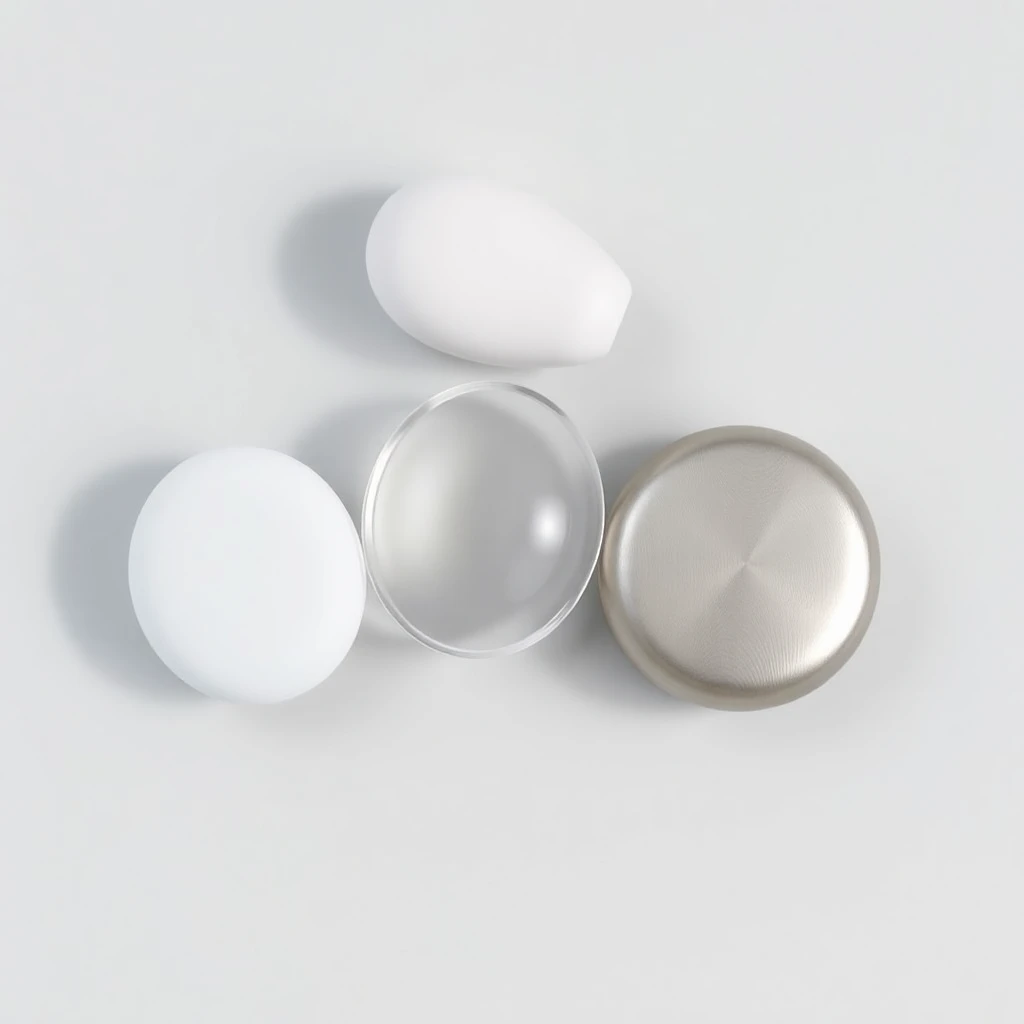
Material Comparison at a Glance
| Material | Comfort | Security | Hygiene | Price Range | Best For |
|---|---|---|---|---|---|
| Silicone | ★★★★★ | ★★☆☆☆ | ★★★★☆ | $20-50 | Beginners, break-in |
RecommendedPolycarbonate/Resin | ★★★★☆ | ★★★☆☆ | ★★★☆☆ | $15-60 | Beginners, daily wear |
| Stainless Steel | ★★★☆☆ | ★★★★★ | ★★★★★ | $40-200 | Long-term, security |
| 3D-Printed Custom | ★★★★★ | ★★★★☆ | ★★★★☆ | $45-300+ | Perfect fit, specific needs |
Silicone is the most forgiving for beginners. The flexibility absorbs sizing errors — if your ring is slightly off, silicone bends rather than biting into skin. Hypoallergenic, lightweight (typically 1-2 oz), and affordable. The tradeoff: lower security. A determined wearer can pull out. Fine for learning, not ideal for enforced play.
Polycarbonate and resin (like the CB-6000S) are rigid enough for real security but lighter and cheaper than metal. They split the difference well. Quality varies wildly by manufacturer — cheap cages from Amazon often have sharp seam lines that cause blistering within hours. Stick to established brands.
Stainless steel is the gold standard for long-term wear. 316L medical-grade steel is the safest — it's the same alloy used in surgical implants, rated biocompatible under ISO 10993. Metal is easiest to sterilize (boiling water works), conducts temperature for interesting sensory play, and lasts forever. The catch: unforgiving sizing, heavier (3-5 oz), and the weight requires adjustment.
3D-printed custom cages (Cherry Keeper, Evotion) eliminate sizing guesswork entirely. You provide measurements, they print a cage that fits your anatomy. Prices start around $45 for resin prints and climb to $300+ for nylon or custom metal. Best saved for after you understand what dimensions matter to you. See our Cherry Keeper review for the most popular custom option.
For the deep dive on material science, longevity, and allergen considerations, read our complete materials guide.
How to Choose Your First Cage (Decision Framework)
Your first cage is a learning tool, not a lifetime commitment. Most people buy 2-3 cages before finding their ideal setup. Here's how to make that first purchase count instead of wasting it:
Budget: $30-70 is the sweet spot
Below $30, quality drops fast — expect sharp edges, unreliable locks, and materials that irritate skin. Above $70, you're paying for features you can't evaluate yet. Save premium purchases for after you have 2-3 months of experience and know exactly what you want.
Best Beginner Cages in 2026: Our Top Picks
| Budget | Cage | Material | Ring Sizes | Why This One |
|---|---|---|---|---|
| Under $25 | Master Series Detained | Polycarbonate | 3 included | Cheapest option that won't hurt you |
Recommended$30-50 | CB-6000S | Polycarbonate | 5 included | Most ring sizes = best chance of good fit |
| $30-50 | HolyTrainer V4 | Bio-resin | 3 included | Premium feel, hypoallergenic material |
| $50-70 | Nub V2 | Resin | 3 included | If you know you want a compact/flat profile |
| $50-100 | BON4M Steel | Stainless steel | 4 included | If you're set on metal from the start |
Prioritize multiple ring sizes
The base ring is the hardest measurement to get right — it changes with temperature, arousal, and time of day. Cages that include 3-5 ring sizes let you experiment without buying new devices. The CB-6000S ships with five ring sizes (40-55mm in 3.75mm increments), which is why it remains the top beginner recommendation despite being decades old in design. That single feature has saved thousands of people from their first sizing mistake.
Match wear goals to material
- Short sessions (1-6 hours): Any properly sized cage works. Go cheap to test the waters.
- Overnight wear: Prioritize comfort — silicone or bio-resin with rounded edges and good ventilation.
- Multi-day (24h+): Hygiene becomes critical. Metal is easiest to clean in-place. Avoid solid tubes with poor ventilation.
- Discretion under clothes: Flat-profile designs like our top flat cage picks reduce visibility under fitted pants.
Avoid these first-cage traps
- Internal spikes or teeth: Advanced punishment features that cause real injury for beginners.
- "Micro" or "ultra-short" cages: Compression-based designs that require experience to wear safely.
- Urethral inserts: Infection risk is very real. Not a beginner feature under any circumstances.
- Amazon mystery brands: Unbranded cages under $15 routinely have sharp edges, toxic coatings, or locks that jam.
Getting the Right Fit (The #1 Thing Beginners Get Wrong)
Bad fit is the root cause of almost every beginner injury. I've spoken with dozens of people who gave up on chastity entirely because their first cage hurt — and in every case, the problem was sizing, not the device itself. Here are the three measurements that matter and how to take them correctly:

1. Base ring diameter (most critical)
The ring sits behind your testicles, holding the entire device in place. Wrap a soft measuring tape (or string) around the base of penis and scrotum together. Divide circumference by 3.14 to get diameter. Measure at least 3 times across different days and temperatures. The right ring allows one finger to slide between ring and skin — snug but not strangling.
Common ring sizes range from 38mm to 55mm. Most people fall between 43-50mm. If you're between sizes, always go larger. A slightly loose ring is uncomfortable. A slightly tight ring cuts off blood flow — that's not a minor inconvenience, it's a medical problem.
2. Cage tube length
Measure your flaccid length from pubic bone to tip while standing. The cage should be this length minus 1/4 to 1/2 inch. You want your tip resting against (or nearly against) the end of the cage. Too much empty space allows partial erections that push painfully against the cage walls — this is the second most common beginner complaint after ring sizing.
3. Cage tube diameter
Measure your flaccid circumference at the thickest point. The cage diameter should match closely — tight enough that the cage doesn't rotate freely, loose enough that flaccid tissue isn't compressed.
How to put on your cage (step by step)
- Make sure everything is completely flaccid and clean before you start.
- Apply a small amount of water-based lubricant to the base ring inner edge.
- Thread the testicles through the base ring first, one at a time, then the shaft.
- Slide the cage tube over the shaft and align the locking post with the base ring.
- Insert the lock and close it — you should hear a click. Give it a gentle tug to confirm it's secure.
- Check fit immediately: one finger should slide between ring and skin. If not, remove and try the next size up.
For step-by-step instructions with diagrams: How to Measure for a Chastity Cage. For instant size recommendations: Interactive Size Calculator.
The 14-Day Break-In Schedule (Follow This Exactly)
You cannot go from zero to 24/7 wear. Your body needs progressive adaptation — your skin needs to toughen at friction points, your sleep patterns need to adjust to nocturnal erections, and you need to figure out your bathroom and hygiene routine before it becomes urgent. This schedule is conservative on purpose. Rushing it is how people get injured and quit permanently. For a deeper breakdown of safe durations beyond the first two weeks, see our week-by-week chastity cage duration guide.
Progressive Break-In Schedule
| Day | Wear Duration | Activity Level | Key Focus |
|---|---|---|---|
| 1-2 | 2-3 hours | Home only, relaxed | Check ring fit, practice bathroom use |
| 3-4 | 4-6 hours | Light activity | Test movement comfort, adjust positioning |
| 5-6 | 8-10 hours (daytime) | Normal daily activity | Identify chafing points, test clothing |
| 7 | First overnight | Sleeping | Keep emergency key on nightstand |
| 8-10 | Full day + night | Work/social activities | Hygiene routine while wearing |
| 11-14 | 24-48 hours continuous | All activities | Build toward extended wear confidence |
Critical rules during break-in:
- Remove the cage immediately if you experience numbness, color changes, or sharp pain
- Apply a thin layer of water-based lubricant to the ring and any friction points
- Check skin under the ring twice daily — redness that fades within 20 minutes is normal
- Take a full day off between multi-day sessions during the first two weeks
- Clean the cage and your skin every time you remove it
What Your First Week Actually Feels Like
Knowing what's coming prevents the panic that makes beginners quit too early. Here's the honest, day-by-day reality — not the sanitized version:
Days 1-2 — The novelty phase. Hyper-awareness of the device during every movement. It feels obvious and massive (it's not — you're just not used to it). Nighttime erections will wake you — the cage prevents full erection, creating pressure that fades as the erection subsides. This is normal and not dangerous. Expect 3-5 wake-ups the first night. Most people are surprised how quickly this becomes manageable.
Days 3-4 — The doubt phase. Novelty fades, practical annoyances emerge. You discover chafing spots you didn't predict. Bathroom trips take longer. You question whether this is worth it. This is where most beginners quit. If your only issues are discomfort (not pain), push through with shorter sessions. Remove, rest, retry — your skin is literally toughening up during the off periods.
Days 5-7 — Adaptation begins. Your body adjusts. You notice the cage less during daily tasks. You've figured out your bathroom routine and sleeping position. Night erections still happen but wake you less often. This is when the psychological experience deepens — the constant background awareness starts to feel like part of the appeal rather than a nuisance.
Sleep survival tips
- Position: Back or side, never stomach. Side sleepers: pillow between knees reduces pressure.
- Clothing: Snug boxer briefs keep the cage from shifting. Loose boxers allow more movement but less stability.
- Emergency key: On the nightstand. Not in another room. Not in a lockbox. On the nightstand.
- Night erections: Typically subside in 2-5 minutes. Cold water on your wrists or thighs accelerates the process.
- Still can't sleep after 3 nights: The cage tube may be too short. Night erections need slight room to "attempt" without crushing.
Hygiene during wear
Clean at least once daily. For wear under 24 hours: remove, wash both skin and cage with mild soap, dry completely, reinstall. For multi-day wear: shower with the cage on — direct water through ventilation holes, use a gentle antibacterial soap, rinse thoroughly. A handheld shower head makes this significantly easier. Pat dry with a clean towel, or use a hair dryer on the cool setting to eliminate trapped moisture.
For the complete cleaning protocol including disinfection schedules by material type, see our Cleaning & Hygiene Guide.
7 Mistakes Every Beginner Makes (And How to Avoid Them)
Most beginners sabotage their experience before day three. After eight years of watching this pattern repeat, here are the errors that derail people — and the specific fix for each:
1. Buying too small. The most common and most dangerous mistake. Beginners want "maximum security" or choose sizes based on unrealistic internet photos. An undersized cage doesn't just hurt — it causes circulation damage, skin necrosis, and ER visits. An oversized cage is merely uncomfortable and slightly embarrassing. When in doubt, always size up.
2. Skipping the break-in. Going directly to 24/7 wear is like running a marathon with zero training. Your skin hasn't adapted to friction points, your body hasn't adjusted to sleep disruption, and you don't know how your cage behaves during different activities. Follow the 14-day break-in schedule above. The people who skip this and succeed are the exception, not the rule.
3. Ignoring hygiene. A cage creates a warm, moist environment. Bacteria do not need an invitation. Daily cleaning is non-negotiable — skipping even one day elevates your risk of yeast infection, bacterial buildup, and skin irritation. This compounds fast with longer wear durations.
4. Confusing discomfort with pain. Discomfort is expected: awareness, mild pressure, frustration during attempted erections. Pain is a warning signal — sharp, throbbing, burning, or accompanied by numbness and color change. These are not the same thing, and treating them the same gets people hurt.
5. Making the emergency key inaccessible. Fear of "cheating" leads beginners to lock the key in a timed safe or mail it to their partner. This is genuinely dangerous. You need to remove the cage within 60 seconds if there's an injury, medical emergency, or severe skin reaction. Keep it accessible but deliberate — nightstand drawer, not a safe two hours away.
6. No communication with partners. If you're in a relationship, chastity affects both of you — even if only one person is wearing the cage. Establish clear ground rules before the cage goes on: session duration, safe words, when the cage comes off no questions asked. Resentment builds fast when expectations aren't explicit.
7. Spending too much on the first cage. You don't know what you like yet. A $200 custom cage is money thrown away if you discover three months later that you prefer a different material, profile, or restriction level. Start with a $30-50 learning cage, log your experience, then invest in premium devices that match what you've actually learned about yourself.
Safety Essentials: When to Remove the Cage Immediately

Chastity is safe when practiced with awareness. It becomes dangerous when warning signs are ignored — and the warning signs are not subtle. Memorize this list:
Remove the cage immediately if you experience:
- Numbness or tingling in the penis or testicles — indicates circulation restriction
- Color changes — purple, blue, dark red, or unusually pale skin
- Sharp pain that doesn't resolve when you adjust position
- Inability to urinate or significant difficulty urinating
- Persistent swelling that doesn't subside within 10 minutes of removal
- Skin breaks, bleeding, or signs of infection (heat, redness, discharge)
- Temperature extremes — penis feels abnormally cold or hot to touch
Emergency key protocol
Primary key: Immediately accessible at all times — nightstand during sleep, pocket or bag during the day. Backup key: In a sealed envelope at home, accessible within minutes. Third backup: With a trusted person or in a secure but reachable location. Never create a situation where the cage cannot be removed quickly.
Medical considerations
Consult a doctor before exploring chastity if you have: diabetes, peripheral neuropathy, circulatory disorders, compromised immune system, genital piercings (require cage design modifications), or any condition affecting sensation in the genitals. These conditions meaningfully increase risk.
If the cage gets stuck: Don't panic. Plastic/resin cages can be cut with heavy-duty scissors or wire cutters. Metal cages require bolt cutters or a rotary tool. In a genuine emergency, go to the ER — they have the tools to remove it safely and are professionally obligated to treat without judgment.
How to Talk to Your Partner About Chastity
The conversation is usually harder than wearing the cage. Most people who want to try chastity spend weeks or months putting off this discussion. Here's a framework that actually works:
Choose the right moment. Non-sexual, relaxed, unhurried. Not in bed, not during an argument, not when either of you is distracted. A calm evening or weekend morning — somewhere you can talk without time pressure.
Lead with your specific "why." "I've been reading about chastity play and I'm curious about it because [specific reason]." Be honest about what appeals to you — the power exchange, the challenge, the intimacy angle. Vague interest sounds like you're hiding something. Specificity sounds like you've thought it through.
Address their likely concerns before they raise them:
- "This isn't because I'm unhappy with our sex life — it's about adding a new dimension."
- "You don't need to become someone you're not. You can participate at whatever level feels comfortable."
- "We'll set clear rules together, and either of us can call it off at any time."
- "I want to start very small — a few hours during an evening, not days."
Establish ground rules before the cage goes on: Session duration limits. Safe word that means "cage comes off now, no discussion." Who controls the key. What activities are off-limits while caged. Scheduled check-ins.
If they say no: Respect it completely. You can explore chastity solo for personal discipline or self-exploration — that's a legitimate path. But if you're in a relationship, be transparent about what you're doing. Secrecy erodes trust faster than any kink conversation ever could.
Complete Beginner Shopping Checklist
Everything you need for your first chastity experience — including the accessories most guides forget to mention:
- The cage itself ($30-70 — see recommendations above)
- Water-based lubricant — for ring and cage installation. Silicone lube degrades some materials. Water-based is universally safe.
- Spare locks and keys — most cages include 2-3 keys, but order extras. Keys get lost, locks break, and you want a backup accessible without drama.
- Cotton swabs — for cleaning tight spaces inside the cage during extended wear.
- Unscented mild soap — fragrance-free, antibacterial. Cetaphil or similar dermatologist-recommended formulas work well.
- Soft measuring tape — if you haven't measured yet. String and a ruler work as a backup.
- Anti-chafe balm or powder — for ring friction points during break-in. Gold Bond or a cornstarch-based powder. Avoid talc.
- Supportive underwear — snug boxer briefs hold the cage steady and reduce movement noise under clothing.
Total first-time cost: $50-100 for everything. The cage itself is $30-70; accessories add $15-25. That's the full budget for a proper setup — don't let anyone tell you this is an expensive hobby to start.
Silicone vs. Polycarbonate vs. Metal — First Cage
Pros
Cons
CB-6000S — Our #1 beginner recommendation. Five included ring sizes eliminate the biggest sizing gamble. Proven design used by beginners since 2008. Polycarbonate construction balances comfort with real security. The 'S' (short) version is better than the full-length CB-6000 for most people — don't order the longer version without a specific reason. Read our full review →
HolyTrainer V4 — Premium bio-resin alternative for beginners who want a smoother, more comfortable material. Hypoallergenic, slightly flexible, and better finish quality than the CB-6000S. The main limitation: only 3 ring sizes instead of five. If your measurements fall neatly in the middle of their range, it's an excellent choice. Read our full review →
References
- [1]316L stainless steel biocompatibility testing standard for devices with prolonged skin contact — ISO 10993 — Biological evaluation of medical devices
- [2]ASTM F138 specification for wrought 316L stainless steel for surgical implants — ASTM International
- [3]Skin irritation and sensitization testing protocols for prolonged skin-contact materials — European Chemicals Agency (ECHA) — REACH Regulation
Frequently Asked Questions
Yes, when properly fitted and used with awareness. The key safety rules: choose the correct ring size (measure 3+ times), follow hygiene protocols (clean daily), and remove the cage immediately if you experience pain, numbness, or circulation issues. Keep an emergency key accessible at all times.
Beginners should start with 2-3 hours and follow a progressive break-in schedule over 14 days. With proper fit and hygiene, experienced wearers commonly go 1-4 weeks continuously. The limiting factors are hygiene (daily cleaning required), comfort (skin needs periodic rest), and individual physiology. There is no universal maximum — listen to your body.
Yes, but expect 3-5 night-erection wake-ups during the first week. Sleep on your back or side (never stomach), keep the emergency key on the nightstand, and wear snug boxer briefs for stability. Most people adapt within 7-10 days. If sleep disruption persists beyond two weeks, the cage tube may be too short.
Urination works through the cage ventilation holes — most men sit down for cleaner results. The cage does not interfere with bowel movements. Practice at home before wearing in public. Some people find that aiming slightly downward and using a tissue to wipe the cage tip eliminates splashing.
Polycarbonate (like the CB-6000S) or bio-resin (like HolyTrainer V4) are the safest first materials. They're rigid enough for real security but lighter and more forgiving than metal. Silicone is the most comfortable but offers minimal security. Metal is excellent for long-term wear but unforgiving with sizing errors.
Between $30 and $70. Below $30, quality becomes unreliable — sharp edges, toxic coatings, jammed locks. Above $70, you're paying for features you can't evaluate yet. The CB-6000S ($40) and HolyTrainer V4 ($45) are the most proven beginner options. Save premium purchases for after 2-3 months of experience.
Choose a relaxed, non-sexual moment. Lead with your specific interest: "I've been reading about chastity play because [reason]." Address their likely concerns directly — it's not about dissatisfaction with your sex life. Propose starting very small (a few hours during one evening). Establish clear safe words and ground rules before anything goes on.
Not when used correctly. Risks arise from improper sizing (too tight), ignoring warning signs (numbness, color change), or poor hygiene (infection). Follow sizing guidelines, respect pain signals, clean daily, and keep emergency access available. The vast majority of injuries are from ignoring obvious warning signs, not from the cage itself.
The CB-6000S ($40). It ships with 5 ring sizes, so you don't need to nail your measurements perfectly on the first try. The polycarbonate construction is comfortable during break-in, and its proven track record since 2008 means sizing guides and troubleshooting advice are widely available.
About the Author
Alex Devereaux is a sexual wellness educator with over 8 years of experience reviewing intimate products. Their writing combines hands-on product testing with research-backed guidance to help readers make informed choices.
Certified Sexual Health EducatorRelated Guides
How to Measure for a Chastity Cage (3 Steps) [2026]
47% of buyers get the wrong size. This 10-minute 3-step method prevents painful mistakes. Ring size chart, cage size table, and free interactive calculator.
Metal vs Silicone vs Resin: Chastity Cage Materials Guide
Expert comparison of chastity cage materials including stainless steel, medical-grade silicone, resin, and plastic. Learn which material suits your needs for comfort, security, and hygiene.
Chastity Cage Cleaning & Hygiene Guide
Complete hygiene guide for chastity cage wearers. Learn daily cleaning routines, material-specific care, skin health maintenance, and how to prevent common problems during extended wear.
Not Sure Which Cage Is Right for You?
Take our 60-second quiz to get personalized cage recommendations based on your experience level, budget, and preferences.
Take the Quiz